What are the Risks of Taking Magic Mushrooms?
Learn the real risks of magic mushrooms, including bad trips, mental health effects, side effects, flashbacks, tolerance, and legality.
Magic Mushroom Delivery Canada
9/8/20245 min read
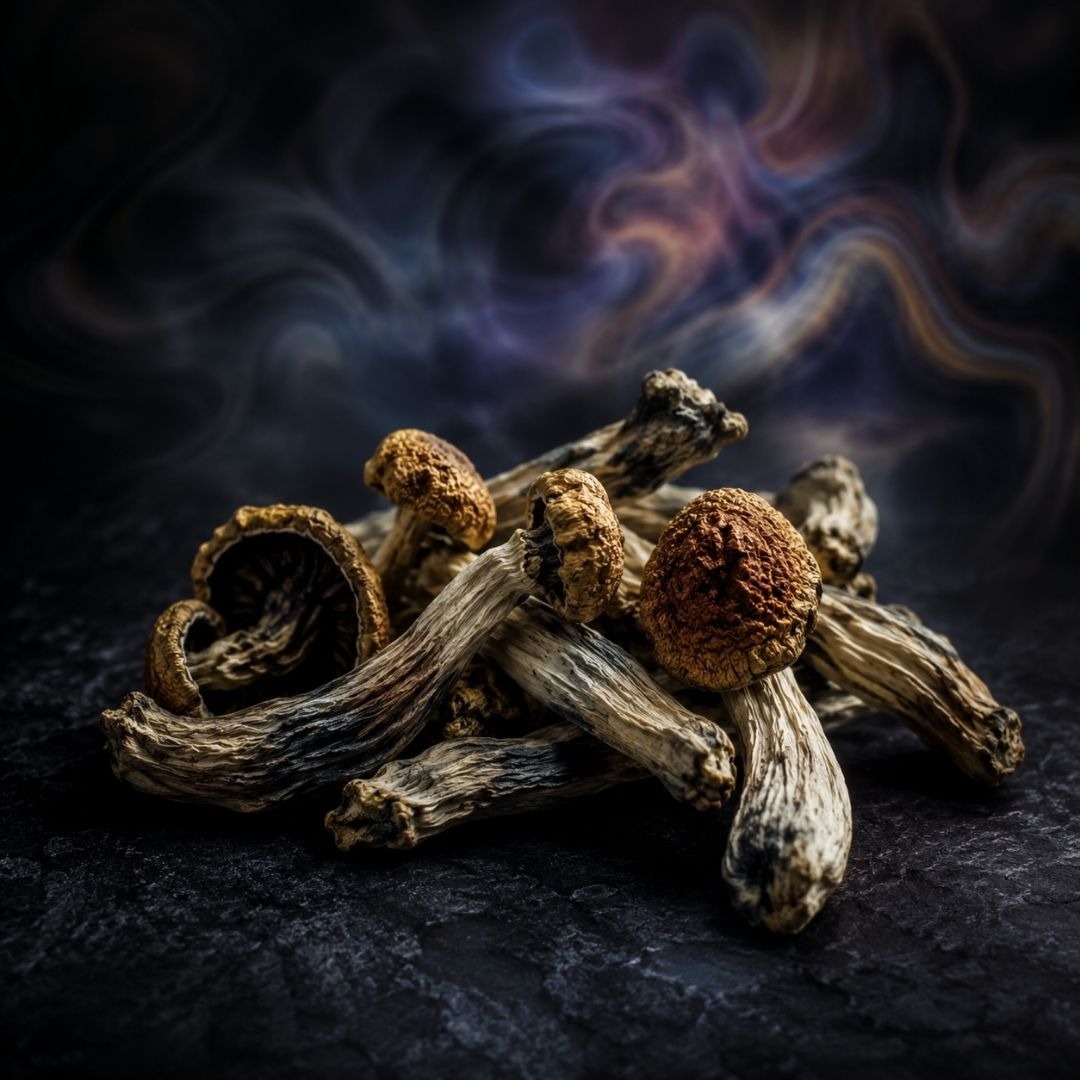
Magic mushrooms are often talked about like they are either completely harmless or extremely dangerous — but the truth is somewhere in the middle.
Magic mushrooms—also called psilocybin mushrooms—are natural psychedelic fungi that can change perception, mood, emotions, and sensory experiences. For some people, the experience may feel meaningful or positive. For others, especially with the wrong mindset, setting, dose, or mental health history, magic mushrooms can cause anxiety, fear, confusion, nausea, panic, or an overwhelming experience.
So, are magic mushrooms dangerous?
Magic mushrooms are not considered physically addictive in the same way as substances like nicotine, alcohol, or opioids, but that does not mean they are risk-free. The biggest risks are usually psychological, not physical. A bad trip, intense emotions, unsafe surroundings, mixing substances, or using them with certain mental health conditions can increase the chance of a negative experience.
This blog will discuss the 6 main risks of taking magic mushrooms, including:
Addiction and tolerance
Physical overdose risk
Mental health risks
Bad trips and anxiety
Flashbacks and HPPD
Physical side effects like nausea, heart rate changes, and discomfort
By the end, you’ll have a clearer, more realistic understanding of the risks of magic mushrooms.
1. Magic Mushroom Addiction Risk: Low, But Not Zero
Magic mushrooms are not known for causing physical dependence the way alcohol, nicotine, or opioids can. Psilocybin also creates tolerance quickly, which means repeated use over a short period may reduce the effects.
That said, “low addiction risk” does not mean “no risk.” Some people may still develop unhealthy patterns around psychedelics, especially if they use them to escape stress, emotions, or mental health struggles.
The better way to think about it is this: Magic mushrooms are not considered physically addictive, but they still deserve respect. They are powerful psychoactive substances, not something to use casually or impulsively.
For a deeper explanation, read our blog: Are Psilocybin Mushrooms Addictive?
2. Magic Mushroom Overdose Risk: Rare, But Safety Still Matters
Fatal overdose from psilocybin alone is considered extremely rare, but that does not mean magic mushrooms are harmless.
The bigger risks are usually confusion, panic, poor decision-making, accidentally taking too much, mixing substances, or not knowing exactly what kind of mushroom was consumed. Wild mushroom misidentification is especially dangerous because some mushrooms can be toxic or even deadly.
Magic mushrooms are not like poisonous mushrooms in the traditional sense, but they can still create a powerful mental and physical experience.
The real risk is not usually organ toxicity. It is losing control of the experience, making unsafe choices, or consuming something that was not properly identified.
3. Mental Health Risks: The Biggest Concern
The main risks of magic mushrooms are psychological.
Psilocybin can intensify whatever someone is already feeling. If a person is anxious, overwhelmed, depressed, paranoid, or in an unstable environment, the experience may become frightening or difficult.
Magic mushrooms may also be risky for people with a personal or family history of psychosis, schizophrenia, bipolar disorder, or serious mental health conditions. In these cases, psychedelics can worsen symptoms or trigger a difficult reaction.
This is why clinical psilocybin research happens in controlled settings with screening, supervision, and support.
Magic mushrooms may have therapeutic potential, but they are not a casual cure for depression, anxiety, PTSD, or trauma.
4. Bad Trips: Temporary, But Still Serious
A bad trip usually refers to an overwhelming or frightening psychedelic experience. It can include anxiety, fear, confusion, panic, emotional distress, or feeling out of control.
Most bad trips are temporary, but they can still feel intense while they are happening.
Common risk factors include:
High amounts
Poor mindset
Unsafe environment
Mixing substances
Using mushrooms during emotional distress
Not knowing what to expect
A bad trip does not usually mean permanent damage, but it can be deeply uncomfortable and stressful. For some people, it may also bring up difficult memories or emotions.
The safest way to talk about bad trips is simple: They are usually temporary, but they are real — and they are one of the most important risks to understand.
To learn why mindset, environment, and sober support matter, read our full guide on set and setting for a magic mushroom trip.
5. Flashbacks and HPPD: Rare, But Possible
Some people report flashbacks or lingering visual changes after using hallucinogens. This is sometimes called HPPD, or hallucinogen persisting perception disorder.
HPPD appears to be rare, but it can happen. It may include visual distortions, patterns, trails, or changes in perception after the original experience is over.
For most people, the effects of psilocybin wear off within several hours. However, anyone who experiences ongoing visual changes, anxiety, or distress after using psychedelics should speak with a medical professional.
Flashbacks are not the most common risk, but they should not be ignored either.
6. Physical Side Effects of Magic Mushrooms: Usually Mild, But Still Uncomfortable
Magic mushrooms can also cause physical side effects.
Common short-term effects may include:
Nausea
Headache
Dizziness
Fatigue
Upset stomach
Increased heart rate
Increased blood pressure
Poor sleep after the experience
For healthy adults, these effects are often temporary. However, they may be more concerning for people with heart conditions, blood pressure issues, certain medications, or underlying health concerns.
This is why it is inaccurate to say magic mushrooms have “no physical risks.”
A better answer is: Magic mushrooms are not known for damaging organs like some substances can, but they can still cause uncomfortable physical effects and may not be safe for everyone.
Magic Mushroom Risks: FAQs
Are magic mushrooms dangerous?
Magic mushrooms can be dangerous in the wrong situation. The biggest risks are psychological, including panic, confusion, anxiety, overwhelming emotions, and unsafe decision-making.
Are magic mushrooms addictive?
Magic mushrooms are not considered physically addictive, and they do not usually cause withdrawal symptoms. However, some people may still misuse them psychologically or rely on them for escape.
Can magic mushrooms cause a bad trip?
Yes. A bad trip can include fear, panic, confusion, or feeling overwhelmed. It is usually temporary, but it can still be very distressing.
Can magic mushrooms affect mental health?
Yes. Psilocybin can intensify emotions and may be risky for people with certain mental health conditions, especially psychosis, schizophrenia, bipolar disorder, or a family history of those conditions.
Are magic mushrooms legal in Canada?
Psilocybin and psilocin are controlled substances in Canada. In general, magic mushrooms are illegal to possess, produce, or sell unless specifically authorized by Health Canada.
Do magic mushrooms have physical side effects?
Yes. Possible side effects include nausea, headache, dizziness, fatigue, increased heart rate, increased blood pressure, and trouble sleeping.
Final Thoughts About the Risks of Magic Mushrooms
Magic mushrooms are frequently misunderstood, particularly when lumped in with more hazardous substances.
From a physiological standpoint, psilocybin carries a significantly lower risk profile than alcohol, opioids, or stimulants. Research consistently shows they have remarkably low physical toxicity, a negligible risk of overdose, and are not associated with physical addiction or compulsive use.
Understanding the Nuance
Rather than traditional physical dangers, the primary considerations with magic mushrooms are mental and emotional, and they are largely dependent on context. Instead of structural risks, the main variables to consider are:
Temporary Anxiety or Confusion: Sometimes referred to as a "challenging experience," these intense emotional waves are temporary and typically subside as the effects wear off.
The Role of "Set and Setting": The experience is highly sensitive to a person's current mindset (set) and the environment they are in (setting). A safe, comfortable space dramatically minimizes psychological distress.
Pre-existing Conditions: While safe for the vast majority of people, they can be destabilizing for individuals with a personal or family history of specific conditions, such as schizophrenia or bipolar disorder.
The Takeaway
When compared to mainstream substances, magic mushrooms sit on the far low end of the risk spectrum. They aren't inherently dangerous, but they are powerful. A modern, balanced view recognizes their immense therapeutic potential while acknowledging that they deserve mindfulness and education—not fear, and not hype.
About Magic Mushroom Delivery Canada
Since 2020, our mission has been to create reliable, evidence-based educational guides to help Canadians make informed decisions about magic mushrooms. Part of that education means dispelling myths and looking at safety through a lens of modern science rather than outdated stigmas.
If you have questions or need personalized guidance, our experienced team is always here to help via email or WhatsApp.
Ready to browse our products?
Visit our online magic mushroom dispensary 24/7.
Quick Links
2026 MAGIC MUSHROOM DELIVERY CANADA
HELPING CANADIANS SAFELY ACCESS PSILOCYBIN SINCE 2020


Canada's premier source for organic magic mushrooms, microdose capsules & psilocybin edibles since 2020.
Contact
Alberta • British Columbia • Manitoba • New Brunswick • Newfoundland & Labrador • Northwest Territories • Nova Scotia • Nunavut • Ontario • Prince Edward Island • Quebec • Saskatchewan • Yukon Territory
Service Areas