10 Surprising Facts About Psilocybin
Learn about psilocybin, from how magic mushrooms affect the brain to addiction risk and mental health research.
Magic Mushroom Delivery Canada
7/21/20245 min read
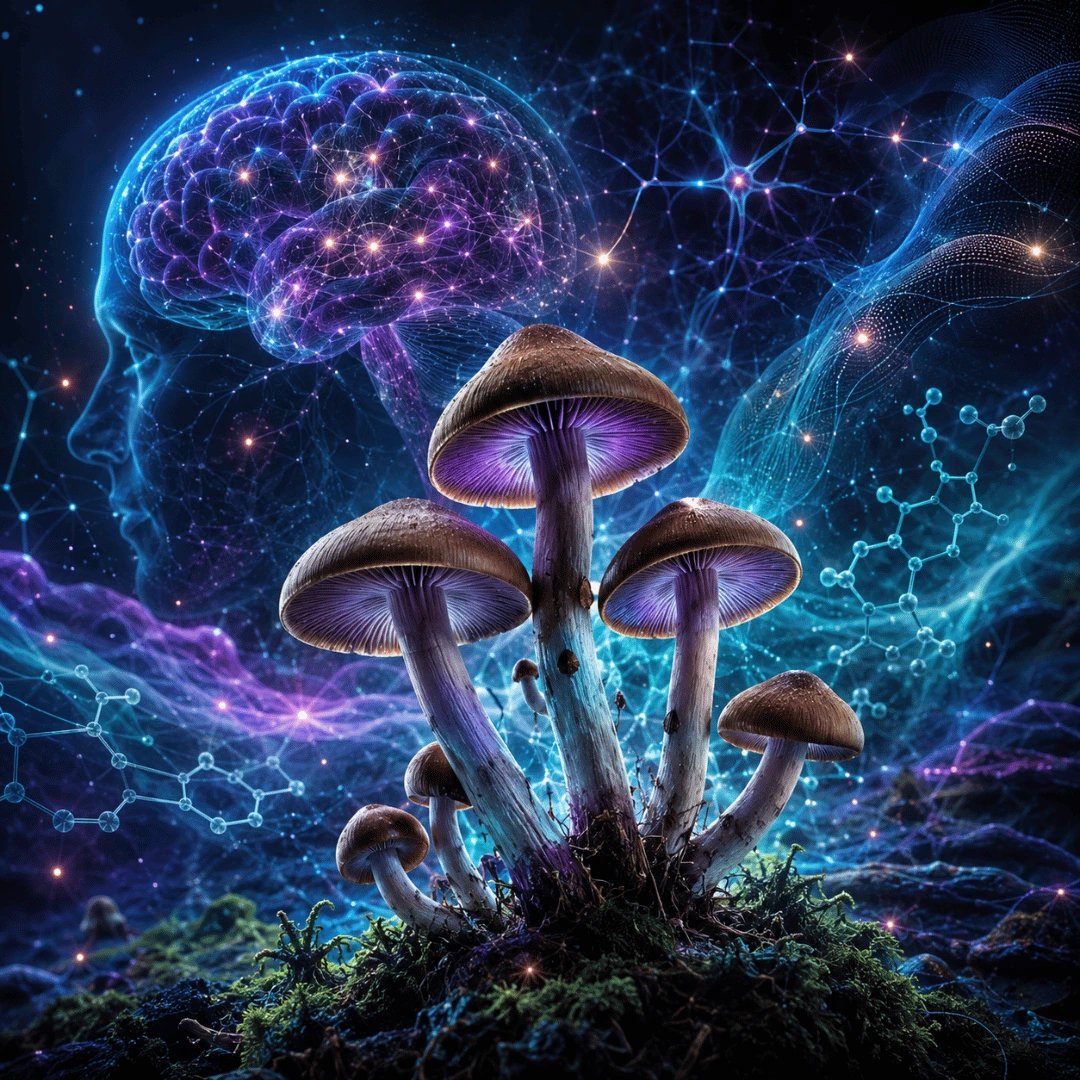
Ever wonder what makes magic mushrooms feel so “magic”? The answer is a natural psychedelic compound called psilocybin.
Psilocybin is found in certain species of fungi, often called magic mushrooms, shrooms, or mushies. When someone ingests psilocybin mushrooms, the body converts psilocybin into psilocin, which is the compound responsible for most of the psychedelic effects. These effects can include changes in mood, perception, emotions, visuals, thinking, and sense of time.
This blog will discuss 10 surprising facts about psilocybin that most people do not know. Some are about brain science, some are about mental health research, and some explain why the same mushroom experience can feel completely different from person to person.
1. Psilocybin Is Not the Main Compound Your Brain Reacts To
This is one of the coolest facts about psilocybin. Psilocybin itself is not the main compound causing the psychedelic experience.
After psilocybin enters the body, it is metabolized into psilocin. Psilocin is the psychoactive compound that interacts with the brain and creates most of the changes in perception, mood, thoughts, and emotions. So when people talk about the “effects of psilocybin,” they are usually talking about what happens after psilocybin becomes psilocin.
2. Psilocybin Becomes Psilocin, Which Acts on Serotonin Receptors
Like we mentioned above, psilocybin is metabolized into psilocin. Psilocin mainly interacts with serotonin receptors in the brain, especially the 5-HT2A receptor.
Serotonin is involved in mood, emotion, perception, sleep, and thinking. This helps explain why psilocybin mushrooms can affect so many parts of a person’s experience at once. A person may notice changes in visuals, emotions, thoughts, time perception, body feelings, or the way they understand themselves and the world around them.
This does not mean psilocybin affects everyone the same way. The amount taken, the person’s mental state, their surroundings, and their health can all change the experience.
Related: Why psilocybin and psilocin don't show up on standard drug tests.
3. Psilocybin Is 100% Natural and Found in Over 200 Mushroom Species
Psilocybin is not a man-made chemical. It is a naturally occurring psychedelic compound produced by certain fungi.
There are over 200 known species of psilocybin mushrooms around the world. These mushrooms can grow in forests, grasslands, fields, and other natural environments. Some of the most commonly mentioned magic mushroom names include Golden Teachers, Blue Meanies, Liberty Caps, and Golden Tops.
However, natural does not always mean safe. Magic mushrooms can look similar to poisonous mushrooms, and different species can vary in strength. That is one reason public health sources often warn that mushroom identification can be risky.
4. Psilocybin Is Both a Hallucinogen and a Psychedelic Compound
Psilocybin is classified as both a hallucinogen and a psychedelic compound.
A hallucinogen is a substance that can change what a person sees, hears, feels, or thinks. A psychedelic is a type of hallucinogen that can also create deep changes in mood, perception, consciousness, and personal meaning.
That is why psilocybin can affect more than just visuals. It can also change emotions, thought patterns, memory, self-reflection, and a person’s sense of connection to the world around them.
5. Psilocybin May Promote Neuroplasticity
Neuroplasticity means the brain’s ability to change, adapt, and form new connections. This is one reason psilocybin is being studied so closely.
Some research suggests psilocybin may help the brain become more flexible for a period of time. In simple terms, it may help loosen old patterns of thinking and allow new patterns to form. This is especially interesting in mental health research because conditions like depression, anxiety, addiction, and OCD can involve repetitive thought loops.
This does not mean psilocybin is a guaranteed treatment. In clinical research, psilocybin is usually studied with screening, professional support, preparation, and integration afterward.
6. Psilocybin Can Quiet the Brain’s Default Mode Network
The Default Mode Network, or DMN, is a brain network linked to self-reflection, identity, memory, and mind-wandering.
Brain imaging research suggests psilocybin can reduce activity in the Default Mode Network. This may help explain why some people report ego dissolution, which is the feeling that their normal sense of self becomes softer, quieter, or less separate from everything else.
In simple language, psilocybin may temporarily turn down the brain’s usual “me, myself, and my story” system. That can feel peaceful, strange, emotional, or overwhelming depending on the person and the situation.
7. Psilocybin May Make Different Brain Regions Communicate in Unusual Ways
Another surprising fact is that psilocybin may change how different parts of the brain communicate.
Some studies suggest that during a psychedelic experience, brain regions that do not usually communicate much may start sharing information in new ways. This may help explain why people report unusual visuals, creative thoughts, emotional breakthroughs, or a feeling that unrelated ideas suddenly connect.
This is also why psilocybin is so interesting to scientists. It does not simply “turn the brain on” or “turn the brain off.” It appears to temporarily change the way brain networks organize and communicate.
8. Psilocybin Experiences Depend Heavily on Set and Setting
One of the most important facts about psilocybin is that the psychedelic experience depends heavily on “set and setting.”
Set means the person’s mindset. This includes mood, stress level, expectations, mental health, and emotional state. Setting means the environment. This includes the place, people, music, lighting, noise, comfort, and sense of safety.
This helps explain why psilocybin mushrooms can feel very different from person to person. The same substance can feel meaningful, peaceful, confusing, anxious, or overwhelming depending on what someone is feeling and where they are. Unlike alcohol, where the effects are usually more predictable and less dependent on the room you are in, psilocybin is highly sensitive to mindset and environment, which can completely change the direction of the experience.
9. Psilocybin Has a Low Physical Addiction Risk Because Tolerance Builds Quickly
Psilocybin is not generally considered physically addictive in the same way as substances like nicotine, alcohol, or opioids.
One reason is that tolerance can build very quickly. This means that if someone takes psilocybin repeatedly over a short period, the effects may become much weaker or barely noticeable. In simple terms, repeated use can become less effective very fast.
That does not mean psilocybin has no risks. People can still have bad trips, anxiety, panic, paranoia, nausea, headaches, confusion, or other unpleasant effects.
Related: Learn about the risks of magic mushrooms.
10. Psilocybin Is Being Researched for Serious Mental Health Conditions
Psilocybin is being studied by researchers for several serious mental health conditions.
Current research has explored psilocybin-assisted therapy for depression, treatment-resistant depression, addiction, end-of-life anxiety, OCD, and cluster headaches. These studies usually involve controlled doses, medical screening, trained support, and therapy before and after the experience.
That part is important. The research is not simply about taking magic mushrooms casually. It is about psilocybin in a structured setting with professional support. This is why psilocybin has become one of the most talked-about psychedelic compounds in modern mental health research.
Final Thoughts: Why Psilocybin Is So Interesting
Psilocybin is more than just the compound that makes magic mushrooms psychedelic. It is a natural substance that converts into psilocin, interacts with serotonin receptors, changes brain network activity, and may affect mood, perception, thought patterns, and self-reflection.
The most surprising thing about psilocybin is how many different areas it touches. It connects nature, brain science, mental health research, ancient mushroom use, and modern psychedelic therapy.
So, what makes psilocybin so fascinating?
It is natural, but powerful. It is not considered physically addictive, but it can still be intense. It may have therapeutic potential, but it also comes with real risks. That balance is what makes psilocybin one of the most interesting psychedelic compounds being studied today.
About Magic Mushroom Delivery Canada
Since 2020, Magic Mushroom Delivery Canada has been providing secure, trusted shipping from coast-to-coast.
We have also created educational blog posts like this one to break down the fascinating brain science, chemical facts, and true therapeutic potential behind these incredible fungi.
If you have any questions about psilocybin or how our products can help you, feel free to reach out via email or WhatsApp—otherwise, feel free to browse our online magic mushroom dispensary to get started.
Quick Links
2026 MAGIC MUSHROOM DELIVERY CANADA
HELPING CANADIANS SAFELY ACCESS PSILOCYBIN SINCE 2020


Canada's premier source for organic magic mushrooms, microdose capsules & psilocybin edibles since 2020.
Contact
Alberta • British Columbia • Manitoba • New Brunswick • Newfoundland & Labrador • Northwest Territories • Nova Scotia • Nunavut • Ontario • Prince Edward Island • Quebec • Saskatchewan • Yukon Territory
Service Areas