What Are Magic Mushrooms? The Complete Beginner's Guide
Learn what magic mushrooms are, how psilocybin affects the brain, common consumption forms, research, risks, and legality in Canada.
Magic Mushroom Delivery Canada
6/9/202413 min read
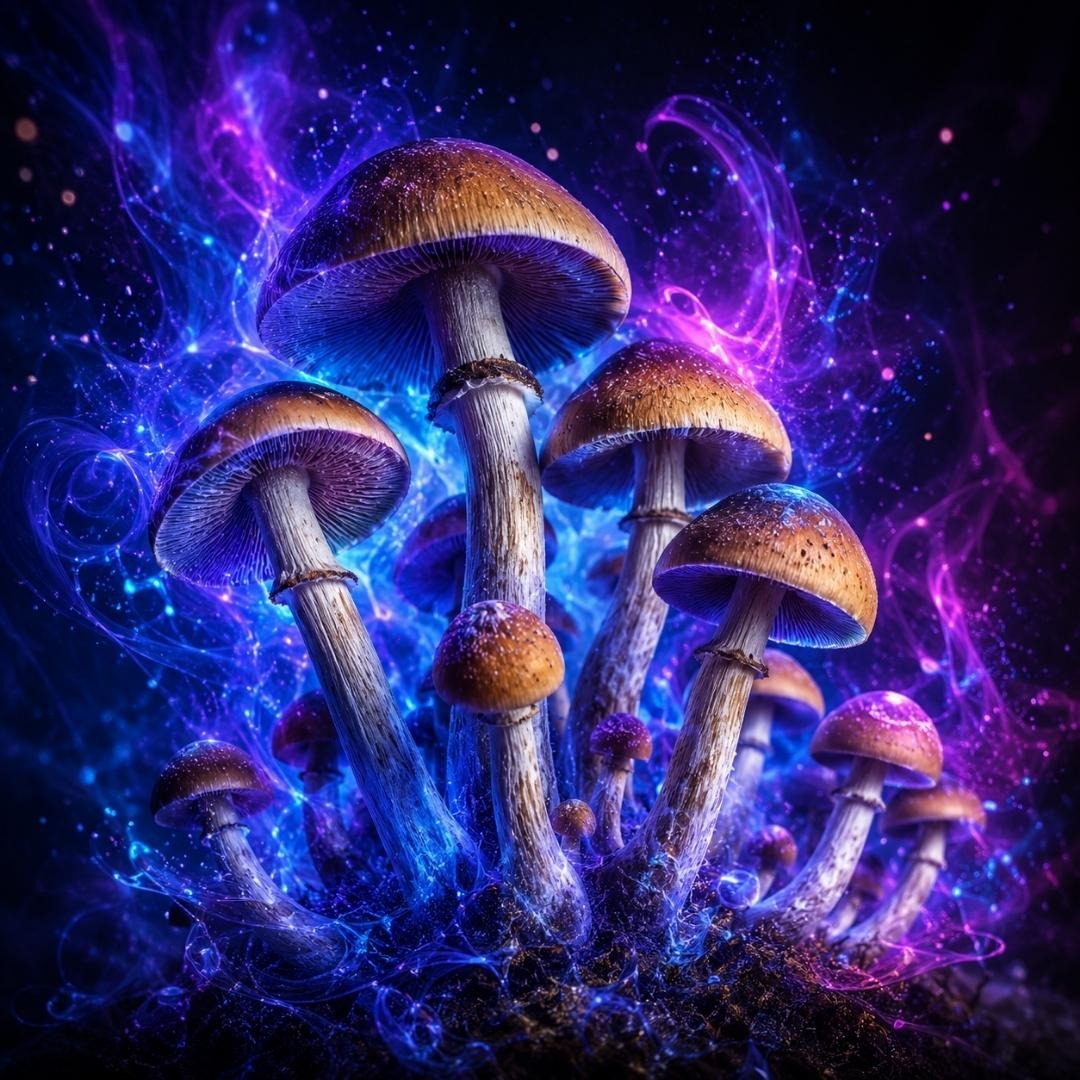
Few natural substances have created as much curiosity, confusion, and scientific interest as magic mushrooms.
Some people know them as shrooms or mushies. Researchers usually call them psilocybin mushrooms. Either way, they all refer to a group of fungi that naturally contain psilocybin, the psychedelic compound responsible for their mind-altering effects.
Magic mushrooms can change how a person thinks, feels, sees, hears, and experiences the world around them. Colours may seem brighter, emotions may feel stronger, time may feel distorted, and ordinary thoughts may take on a deeper or stranger meaning.
In simple terms, magic mushrooms are natural fungi that contain psilocybin.
After consumption, the body converts psilocybin into psilocin, which affects serotonin receptors in the brain. This beginner’s guide explains what magic mushrooms are, how psilocybin and psilocin work, what effects they can cause, what forms they come in, what risks to know, and what the law says about magic mushrooms in Canada.
What Is Psilocybin?
Psilocybin is the main psychedelic compound found in magic mushrooms. It is a naturally occurring substance produced by certain mushroom species. On its own, psilocybin is not the compound mainly responsible for the psychedelic experience. Instead, the body changes psilocybin into psilocin after it is consumed.
That is why psilocybin is often described as a “prodrug.” This means it turns into another active compound inside the body.
Psilocybin is one of the main reasons magic mushrooms can affect perception, mood, thoughts, and sensory awareness. It is also the compound most often studied in clinical research involving psychedelic therapy. To learn more, read our full guide: 10 Surprising Facts About Psilocybin.
How Psilocybin Becomes Psilocin in the Body
After psilocybin enters the body, it is converted into psilocin. This happens through a natural chemical process in the body. Psilocin is then able to interact with serotonin receptors in the brain.
Serotonin is a chemical messenger involved in mood, sleep, emotions, appetite, and perception. Because psilocin affects serotonin-related pathways, it can create major changes in how someone experiences their thoughts, body, emotions, and surroundings.
What Is Psilocin?
Psilocin is the active psychedelic compound that creates most of the noticeable effects of magic mushrooms. Once psilocybin is converted into psilocin, psilocin can affect the brain more directly.
Psilocin is closely related to serotonin in structure, which helps explain why it interacts with serotonin receptors. This does not mean it works exactly like serotonin. It means it can bind to some of the same receptor systems and change brain activity in unusual ways.
Why Psilocin Causes Psychedelic Effects
Psilocin mainly affects a serotonin receptor called 5-HT2A. This receptor is linked to perception, imagination, mood, and how the brain organizes information.
When psilocin affects these receptors, the brain may process information differently. Colours may seem brighter. Sounds may feel more emotional. Time may feel slower or faster. Thoughts may feel deeper, stranger, or more connected than usual.
This is why magic mushrooms are known as psychedelics. They do not simply “make people see things.” They can change the way the brain interprets the world.
How Do Magic Mushrooms Work?
Magic mushrooms work by changing the way the brain communicates with itself. After psilocybin becomes psilocin, it affects serotonin receptors and may temporarily change normal patterns of brain activity.
This can lead to changes in:
Mood
Emotion
Sensory perception
Time perception
Self-awareness
Memory and imagination
Visual processing
Thought patterns
These effects can feel positive, neutral, confusing, or overwhelming depending on the person and the situation.
How Magic Mushrooms Affect the Brain
Magic mushrooms affect the brain by changing how different brain networks communicate. Some people describe the experience as feeling more open, emotional, creative, or connected. Others may feel anxious, confused, or out of control.
The same substance can feel very different from one person to another. This is because the experience is shaped by the person’s brain, body, mood, environment, past experiences, and expectations.
Why Magic Mushrooms Are Also Called Hallucinogens
Magic mushrooms are called hallucinogens because they can change what a person sees, hears, feels, and believes during the experience.
A hallucination does not always mean seeing something that is completely unreal. It can also mean a major change in normal perception. For example, colours may look more intense, patterns may appear to move, music may feel more powerful, or time may feel distorted.
Why Effects Can Feel Different From Person to Person
Magic mushrooms do not affect everyone the same way. Two people can consume the same type of mushroom and have very different experiences.
Effects can depend on:
The person’s age, weight, and metabolism
Their mood before the experience
Their mental health history
Their surroundings
The strength of the mushroom
Whether other substances are involved
What they expect to happen
What they ate earlier that day
This is one reason magic mushrooms are unpredictable. Even the same person may have different experiences on different occasion.
What Are the Effects of Magic Mushrooms?
The effects of magic mushrooms can be mental, physical, visual, sensory, and emotional. Some effects may feel pleasant. Others may feel uncomfortable or frightening.
Effects often begin within 15 to 45 minutes and may last several hours. The strongest part of the experience is often called the peak. During the peak, changes in mood, visuals, body sensations, and thinking may feel much stronger.
Mental Effects of Magic Mushrooms
Magic mushrooms can strongly affect thoughts and mental state. Some people report feeling more reflective, creative, emotional, or aware of their surroundings. Others may feel confused, anxious, or overwhelmed.
Mood, Thinking, and Perception Changes
Possible mental effects include:
Changed mood
Altered thoughts
A different sense of reality
Time feeling slower or faster
Deep personal reflection
Unusual ideas or associations
Feeling more connected to people, nature, or music
Difficulty focusing
Confusion or disorientation
These effects can feel meaningful to some people, but they can also be intense and hard to understand in the moment.
Anxiety, Confusion, and Paranoia
Magic mushrooms can also cause negative mental effects. Some people may feel fear, panic, paranoia, or a loss of control. This is often called a bad trip.
A bad trip may involve scary thoughts, emotional distress, confusion, or the feeling that the experience will not end. These reactions are more likely when the person is already anxious, in an unsafe environment, or exposed to an unexpectedly strong product.
Physical Effects of Magic Mushrooms
Magic mushrooms can also affect the body. Physical effects can vary from mild to uncomfortable.
Nausea, Heart Rate, Chills, and Body Sensations
Common physical effects may include:
Nausea
Vomiting
Dry mouth
Dizziness
Chills or shivering
Sweating
Muscle weakness
Muscle twitching
Faster heart rate
Higher blood pressure
Heavy or light body sensations
Numbness in the mouth or face
People with heart conditions or serious health concerns may face higher risks because magic mushrooms can raise heart rate and blood pressure.
Visual and Sensory Effects
Visual and sensory effects are some of the most well-known parts of a magic mushroom experience. These changes can be mild or intense.
Colours, Sounds, Time, and Touch
Possible sensory effects include:
Brighter colours
Moving patterns
Distorted shapes
Stronger music perception
Changed sense of touch
Altered smell or taste
Time feeling stretched or shortened
Feeling like senses are blending together
Some people describe this as “seeing music” or “hearing colours.” This is sometimes called synesthesia, where one sense feels connected to another.
Emotional Effects of Magic Mushrooms
Magic mushrooms can intensify emotions. A person may feel joy, wonder, laughter, sadness, fear, or deep reflection. Sometimes emotions can shift quickly.
Positive, Negative, and Overwhelming Experiences
Possible emotional effects include:
Euphoria
Laughter
Calmness
Gratitude
Emotional release
Fear
Sadness
Panic
Paranoia
Feeling overwhelmed
Because emotions can become stronger, a person’s mindset and environment matter. A calm environment may feel comforting. A stressful environment may make the experience more difficult.
How Long Do Magic Mushroom Effects Last?
Magic mushroom effects often begin within 15 to 45 minutes after consumption. For many people, the overall experience lasts around 4 to 6 hours, although this can vary.
Some people may feel after-effects for longer. They may feel tired, reflective, emotional, or mentally drained after the main effects fade.
The timing can depend on the mushroom, the form, the person’s metabolism, and whether food was involved.
Can Magic Mushrooms Have Long-Term Effects?
Research on the long-term effects of repeated magic mushroom use is still limited. Some people report flashbacks, which means parts of a past experience seem to return later when they are not using mushrooms.
Other people may feel emotionally unsettled after a difficult experience. For those with certain mental health conditions, psychedelic experiences may carry higher risks. This is especially important for people with a personal or family history of psychosis, schizophrenia, or bipolar disorder.
What Forms Do Magic Mushrooms Come In?
Magic mushrooms may appear in several forms. The form can affect how the product looks, how easy it is to recognize, and how predictable the strength may be.
Dried Magic Mushrooms
Dried magic mushrooms are the most common and traditional form available, primarily because they are much easier to store and preserve long-term. However, eating them raw comes with a notoriously bitter taste and an unappetizing texture. If you have ever wondered why do magic mushrooms taste so bad, it comes down to a combination of their organic compounds and natural defense mechanisms.
Beyond the flavor, raw dried mushrooms are also a frequent cause of nausea. This digestive discomfort happens because raw fungal cell walls are made of chitin—the same tough, fibrous material found in shrimp shells. The human stomach struggles to break down chitin, which is why eating whole, raw dried mushrooms often leads to stomach upset.
Magic Mushroom Capsules
Magic mushrooms may be ground into powder and placed into capsules. Common sizes include 100mg capsules, 250mg capsules and 500mg capsules.
Mushroom capsules completely eliminate the bitter taste of raw mushrooms while making them much easier to digest. By finely grinding the fungi, they break down the tough chitin cell walls to significantly reduce stomach upset and nausea.
Magic Mushroom Tea
Magic mushroom tea is a highly popular option that eliminates the bitter taste and nausea associated with eating them raw. Because the liquid extract filters out the physical mushroom material, your stomach doesn't have to digest the tough chitin that sometimes causes an upset stomach.
Psilocybin Edibles, Gummies, and Chocolates
Magic mushroom gummies and chocolates are incredibly popular because their sweet flavors completely mask the bitter taste of raw fungi. When choosing these forms, it is crucial to read the labels carefully to verify the exact dosage and check whether they contain actual psilocybin or alternative compounds like Amanita muscaria.
Why Magic Mushroom Potency Can Vary
Magic mushroom potency can vary a lot. One mushroom can contain a different amount of active compound than another, even within the same species.
Potency may depend on:
Mushroom species
Growing conditions
Drying and storage
Product form
Age of the mushroom
Whether the product is mixed with other ingredients
This is one of the main reasons effects can be unpredictable. o see exactly how these varieties stack up side-by-side in effects, growth habits, and history, read through our full Golden Teachers vs. Penis Envy comparison guide. For example, Penis Envy is widely recognized as one of the most potent magic mushroom strains available, whereas Golden Teachers are known for offering a much milder, more manageable experience. Sitting right in the middle of the spectrum are Blue Meanies, which provide a moderate, balanced potency level.
What Are Typical Dosages for Magic Mushrooms?
Because magic mushroom potency can vary, understanding dosage is the most critical safety factor for any beginner. Psychedelic experiences are strictly dose-dependent, meaning a slight shift in milligrams can completely alter the nature of the experience.
The spectrum of use is generally broken down into three distinct categories:
Microdose (100mg – 300mg / 0.1g – 0.3g): This is a sub-perceptual amount, meaning it stays entirely in the background and does not cause visual distortions, hallucinations, or a change in your perception of reality. Instead of getting high, people utilize this minimal amount to experience subtle lifts in daily focus, energy, and emotional clarity while remaining completely sober and functional. To see how these microdosing works, explore our comprehensive beginner’s guide to microdosing.
Recreational Dose (1.5g – 2.5g): Also known as a "macrodose" or a trip dose, this amount takes you out of your everyday sober state. At this level, users experience classical psychedelic effects, including vivid color enhancement, geometric visual patterns, deep introspection, emotional waves, and alterations in time perception.
Heroic Dose (5g+): Popularized by psychedelic pioneer Terence McKenna, a heroic dose is a massive amount intended for profound, deep-space therapeutic or spiritual breakthroughs. This level often causes total "ego dissolution" (a temporary loss of your subjective sense of self) and complete sensory detachment from your physical environment. This dose carries a significantly higher risk of psychological distress and should never be attempted without an experienced guide or trip sitter in a safe environment.
What Are the Risks of Magic Mushrooms?
Magic mushrooms are often described as natural, but natural does not always mean safe. They can cause intense psychological effects, physical discomfort, legal problems, and serious risks in certain situations.
For a full breakdown of bad trips, mental health risks, side effects, tolerance, and safety concerns, read our guide on the risks of magic mushrooms.
Bad Trips, Anxiety, and Paranoia
A bad trip is a frightening or overwhelming psychedelic experience. It may include fear, panic, confusion, paranoia, or feeling disconnected from reality.
During a bad trip, a person may have poor judgment. This can increase the risk of accidents, injuries, or unsafe decisions.
A calm space, reassurance, and medical help may be needed if someone is panicking, confused, or at risk of harm.
For a first-time trip, anchoring yourself in a safe, comfortable environment ("set and setting") and having a trusted, sober guide ("trip sitter") are absolutely vital to ensuring a safe and positive psychological experience (and avoiding a bad trip).
For a deeper look at how mindset, environment, and support can affect the experience, read our guide: How Do Set and Setting Affect a Magic Mushroom Trip?
Mental Health Risks
Magic mushrooms may carry higher risks for people with certain mental health conditions. This includes people with a personal or family history of psychosis, schizophrenia, bipolar disorder, or severe anxiety.
Psychedelics can intensify thoughts and emotions. For some people, this may be destabilizing.
Accidental Poisoning and Mushroom Misidentification
One of the most serious risks is accidental poisoning. Some toxic mushrooms look similar to magic mushrooms. Eating the wrong mushroom can cause severe illness or death.
This risk is especially important with wild mushrooms. Visual identification can be difficult, even for people who think they know what they are looking at.
Mixing Magic Mushrooms With Alcohol or Other Drugs
Mixing magic mushrooms with alcohol, cannabis, stimulants, or other substances can increase the risk of negative effects. The combination may make anxiety, nausea, confusion, impaired judgment, or physical side effects worse.
Mixing substances can also make it harder to know what caused a reaction if something goes wrong.
Are Magic Mushrooms Addictive?
Magic mushrooms are not considered physically addictive in the same way as substances like nicotine, alcohol, or opioids. Health Canada notes that there is little evidence people become physically or psychologically dependent on magic mushrooms.
That said, a person may still become mentally attached to the experience or use them in a risky pattern. Low addiction risk does not mean no risk.
Tolerance and Repeated Use
Magic mushrooms can create tolerance quickly. This means the effects may become weaker after repeated use over several days. In some cases, a person may need more to feel the same effect, which can increase risk.
Because of how quickly the body adapts, experts generally recommend a 14-day minimum wait between magic mushroom trips to allow your tolerance to completely reset.
Repeated use may also make it harder to understand how the substance is affecting mood, sleep, motivation, and mental health.
Are Magic Mushrooms Legal in Canada?
In Canada, psilocybin and psilocin are controlled substances under the Controlled Drugs and Substances Act. This means magic mushrooms are illegal to possess, produce, sell, or distribute unless authorized by Health Canada.
This is important because many people misunderstand the law. Magic mushrooms may be openly discussed online, but that does not mean they are legal.
In simple terms, magic mushrooms are not legal for general recreational sale or possession in Canada. Legal access is limited to specific authorized situations.
Legal Medical and Research Access in Canada
Health Canada recognizes that there may be certain medical or scientific situations where access to psilocybin is considered. These situations are highly regulated.
Clinical Trials
Clinical trials are research studies that test safety, effects, and possible medical uses. Psilocybin is being studied for conditions such as depression, anxiety, PTSD, and substance use disorders.
Special Access Program
The Special Access Program may allow a health care practitioner to request access to an unauthorized drug for a serious or life-threatening condition when other treatments have failed, are unsuitable, or are unavailable.
This does not mean anyone can directly apply for psilocybin. A regulated health care practitioner must make the request.
Health Canada Exemptions
Health Canada may also consider exemptions under specific parts of Canadian law. These exemptions are reviewed case by case and may apply for medical, scientific, or public interest reasons.
An exemption is not automatic. It requires approval.
Are Magic Mushrooms Being Studied for Mental Health?
Yes, psilocybin is actively being studied for mental health conditions like depression, PTSD, OCD, and substance use disorders. Unlike unregulated products, clinical research uses pure, measured doses in highly controlled, therapeutic environments.
Leading Canadian institutions are at the forefront of this research:
University of Toronto Mississauga (UTM): Home to the Psychedelic Studies Research Program, which is running the world's first rigorous, long-term clinical trials on the safety and effects of microdosing psilocybin.
Queen's University: Running a first-of-its-kind, Health Canada-approved Phase 2 clinical trial testing daily, at-home microdosing specifically to treat Generalized Anxiety Disorder (GAD).
University Health Network (UHN): Researchers at Toronto's Krembil Brain Institute are leading clinical trials exploring how psilocybin can repair neural connections to improve both mood and cognitive function in patients with treatment-resistant depression.
University of British Columbia (UBC): UBC Okanagan has led major observational studies tracking thousands of participants to compare the mental health and mood of microdosers against non-microdosers.
Are Psilocybin Products Approved in Canada?
At this time, there are no approved therapeutic products containing psilocybin in Canada. This means psilocybin products have not gone through the full approval process for safety, quality, and effectiveness as legal medicines for sale.
People interested in medical treatment should speak with a qualified health care provider.
Final Answer: What Are Magic Mushrooms?
Magic mushrooms are naturally occurring fungi that contain the psychedelic compound psilocybin. Once consumed, the body converts psilocybin into psilocin, which interacts with serotonin receptors in the brain to temporarily alter mood, sensory perception, time tracking, and emotional awareness.
They are available in various forms—including fresh, dried, capsules, teas, and infused chocolates or gummies—with effects that vary based on dosage and individual tolerance. From a physiological standpoint, psilocybin is structurally non-addictive and possesses a exceptionally low toxicity profile. While intense psychological experiences ("bad trips"), mild nausea, or temporary anxiety can occur, these effects are highly dependent on dose, mindset, and environment ("set and setting").
In Canada, psilocybin remains classified as a controlled substance, meaning it is illegal to produce or sell outside of specific Health Canada-authorized channels, such as ongoing clinical research trials for mental health.
A Note on Enforcement: Despite its status as a controlled substance, magic mushrooms are widely available through mail-order delivery services and physical dispensaries across the country. While technically illegal without a Health Canada exemption, the enforcement risk for personal possession remains exceptionally low, as Canadian law enforcement heavily prioritizes resources toward high-risk, toxic substances associated with severe addiction and public harm.
FAQ About Magic Mushrooms
What are magic mushrooms in simple terms?
Magic mushrooms are fungi that naturally contain psilocybin and psilocin. These compounds can change mood, perception, thoughts, emotions, and sensory experiences. For those navigating the modern market, it is important to understand the landscape and learn how to safely buy magic mushrooms in Canada through reputable, quality-tested sources.
What is the difference between psilocybin and psilocin?
Psilocybin is the compound found in magic mushrooms. After it enters the body, it changes into psilocin. Psilocin is the compound that mainly causes the psychedelic effects.
How long do magic mushrooms last?
Magic mushroom effects often begin within 15 to 45 minutes and may last around 4 to 6 hours. The exact timing can vary based on the person, the mushroom, the form, and other factors.
Are magic mushrooms addictive?
Magic mushrooms are not considered physically addictive in the same way as alcohol, nicotine, or opioids. However, tolerance can build quickly, and some people may develop an unhealthy mental attachment to the experience.
How often can you consume magic mushrooms?
The golden rule is to wait at least 14 days in between magic mushroom trips to allow your body's serotonin receptors to return to baseline. If you take them more frequently, you will quickly notice a massive drop in potency due to an immediate buildup of tolerance. To learn more about how tolerance works and how to optimize your experience, check out our complete guide on how long to wait in between magic mushroom trips.
Are magic mushrooms legal in Canada?
No. In Canada, magic mushrooms are illegal unless authorized by Health Canada. Legal access may only happen through specific pathways such as clinical trials, the Special Access Program, licences, or exemptions.
About Magic Mushroom Delivery Canada
Since 2020, we have been creating guides like this to dispel myths with real science, helping Canadians make informed, educated decisions about these fascinating fungi and their true risk profile.
If you have questions or need personalized guidance, our experienced team is always here to help via email or WhatsApp.
Ready to browse our products?
Visit our online magic mushroom dispensary 24/7.
Quick Links
2026 MAGIC MUSHROOM DELIVERY CANADA
HELPING CANADIANS SAFELY ACCESS PSILOCYBIN SINCE 2020


Canada's premier source for organic magic mushrooms, microdose capsules & psilocybin edibles since 2020.
Contact
Alberta • British Columbia • Manitoba • New Brunswick • Newfoundland & Labrador • Northwest Territories • Nova Scotia • Nunavut • Ontario • Prince Edward Island • Quebec • Saskatchewan • Yukon Territory
Service Areas